The Single Cell Protein market is rapidly expanding, expected to reach over $31.06 billion in 2035, driven by demand for sustainable protein, environmental benefits, and biotechnological advances.
Article Body
Single Cell Protein Market Size Projected $31.06B by 2035 | NextGen
Breaking: Single Cell Protein (SCP) Market Surges – Key Figures, Regional Trends, and Industry Responses
Market Timeline and Sequence
• 2024: The market for Single Cell Protein Market (SCP) is expected to be worth about $11.32 billion based on existing interests, to which many have recently invested in biotechnology to come up with sustainable protein alternatives.
• As we head into the years spanning 2025 through 2035, the industry is predicted to grow considerably due to the growth in demand for food and feed protein, the climate and resource pressure on food from existing agricultural practices, and the increased investments in regulatory science on alternative proteins.
• Looking toward 2035, the market size for SCP is expected to reach $31.06 billion, and factor in a compound annual growth rate of 9.45% for the remainder of the decade.
Official Statements and Commentary from Experts
• "The increase in demand for affordable, sustainable protein - particularly for animal feed and functional foods - highlights SCP as a pillar of the future of global food supply."
• Experts have pointed to resource conservation (land, water, and energy) coupled with college recruitment efforts focused on climate resilience, accelerating regulatory framework, and industry funding will lead to greater research and development of SCP start-up companies in countries around the world.
• Food agencies in North America and Europe have explicitly stated public supporting actions for research or pilots benefitting microbial protein resources, which may lead to a case for SCP to be an essential component, and driver for food security and circular economy objectives.
A Short History
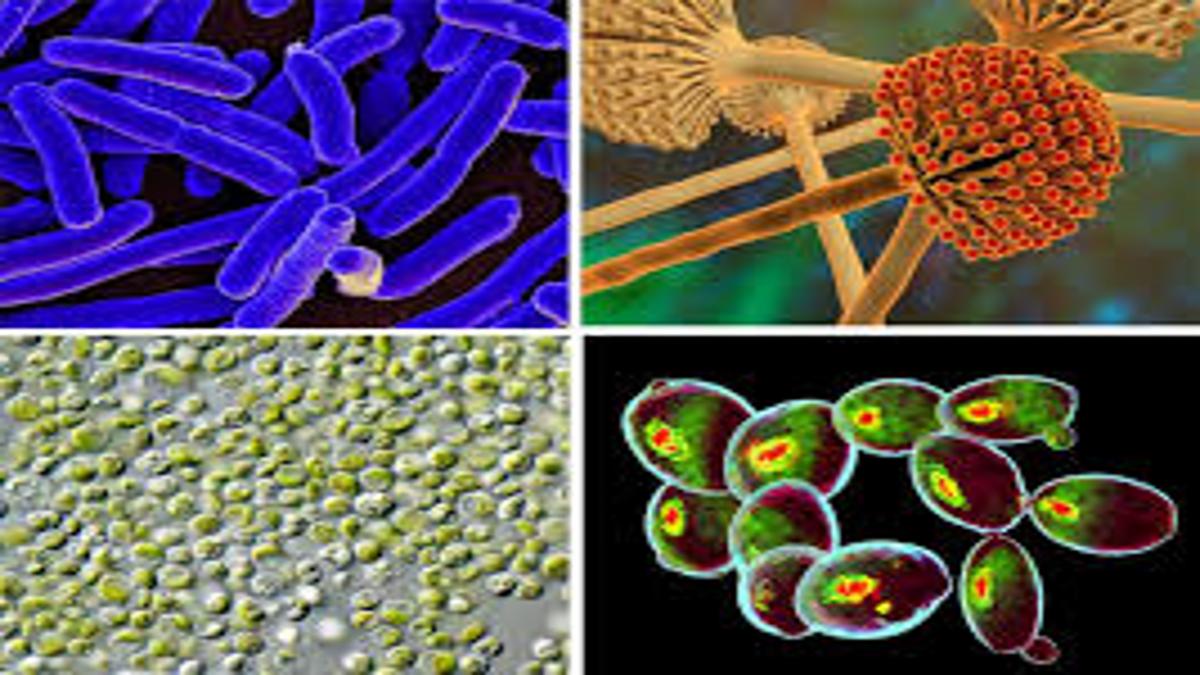
• The earliest studies in SCP have occurred throughout the 1960s and the 1970s, when food scientists conducted studies on using yeast and algae as new protein sources for scale feeding to large populations.
•Early commercial use of yeast-focused on using proteins as a feed supplement for animals before algal and bacterial product in the 1980s.
•With breakthroughs in synthetic biology, isolation and industrial fermentation, and the climate readiness of these practices from the 2010s to present day, SCP has quickly become recognized as one of the leading alternative protein sources, growing rapidly in the market space and an innovative frontier.
•Today, SCP is a recognized part of a sustainable protein supply chain across multiple-and-similar stakeholder categories including actor-based policy drivers, nourishing consumers, food professionals, and product advocates.
Regional and segmentation analysis
•North America: Leads in revenue. Boasts advanced biotechnology infrastructure, strong consumer demand for sustainable alternatives (amongst affluent, urban buyers), and major corporate investment in research and devleopment. Regulatory stakeholders in regions continue to broadly support SCP adoption (including research grants and other food innovation policies).
•Europe: another major player in SCP with strict climate sustainability mandates, investment in green food innovation technologies, and major education campaigns to encourage market engagement. Germany is the leading force in many new product innovations in SCP.
•Asia-Pacific: Fastest-growing player with growing population, rise in overall protein consumption, and rapid advances in food fermentation and synthetic biology industrial scale up for production. India and China are priority countries for government incentives for alternative protein solutions and commercial trials.
•ROW (Rest of World): We see expansion in Latin America, the Middle East, and Africa which is being driven by SCP as a solution for food security and sustainable agricultural practices.
Immediate Impacts and the Industry Response
• Scale of Production: Major corporations and emerging companies are deploying significant capital into new SCP plants and producing scale fermentation technologies to address the deep demand on all fronts.
• Strategic Partnerships: Mergers, acquisitions, and partnerships are enabling expedited access to new markets; socially responsible supply chain networks are growing rapidly in the world's fastest-expanding regions.
• Security of Feed: The use of SCP in aquaculture and animal feed are significant, speedy, and scalable alternative feed forms that are insulated from food price volatility and climate risk.
• Consumer Products: SCP-inspired food products—meat alternatives, energy bars, functional snacks; are now reaching supermarket shelves in North America, Europe, and APAC (Asia) driven by retailer shelves becoming stocked in response to a retail push for consumer demand.
The Single Cell Protein (SCP) industry has developed an assortment of immediate responses and new emergency actions to increase supply chain resilience, improve the continuity of animal and human food supplies, and support sustainability and emergency risks during supply disruptions.
Emergency Actions and Industrial Responses
• Flexibility of Supply Chain: During the time of sociomaterial shocks (this pandemic COVID and old supply shocks), SCP manufacturers rapidly diversified the utilization of feedstocks (using agricultural and food waste) and deploy new production lines to ensure stable output while controlling supply risk.
• Feed Industry Assurance: When supply chain disruptions occurred due to fishmeal shortages, many aquaculture and livestock producers rapidly adapted to feed containing SCP. Ensuring a consistent source of nutrition led to noteworthy discoveries such as a reported increase of 75% on shrimp survival rates utilizing microbial proteins in replacement of fishmeal, while minimizing detrimental market impact, but concurrently managing food security.
• Regulatory Emergency Measures: Following supply disruptions, regulatory agencies in Europe and Saudi Arabia approved SCP for use in animal feeds, at times even expediting approvals to provide quick access as needed, as the world faced global protein shortages, facilitating and approving uses of SCP in animal feed.
• Fast-Tracking Infrastructure Construction: Many of the leading companies made announcement of commitments to new SCP production facilities, as well as increasing their fermentation capacity at existing facilities, especially in geographic regions under higher intensity protein availability shortages or agricultural challenges, climate or otherwise. Examples of new infrastructure completion include MicroHarvest’s pilot plant in Portugal, as well as LanzaTech’s nutrient facility converting CO2 as a growing substrate.
• Circular Economy Initiatives: SCP producers enhanced their waste-to-protein approach during crisis periods. Converting urban, agricultural, and industrial residues into high-value protein provided assurance of continuous supply as well as waste management alternatives.
• Cross-Sector Coordination: Governments and industry partnerships set up groups for emergency working in order to coordinate the source, transfer, and compliance of the transportation of feeds, and often engaged with bioprocessing laboratories and logistics partners to accelerate distribution in an emergency.
• Expediting Innovation: During periods of urgent protein demand, funding in precision fermentation, metabolic engineering, and rapid prototyping was escalated to accelerate the market availability of new SCP strains and products.
•Investment in the SCP space is on the rise, with even greater levels of acceleration occurring since 2024, as global food companies and alternative protein start-ups are focused on sustainable nutrition-related solutions.
•Fermentation and microbial protein start-ups engaged over $148 million in new investment in H1 2025, led by strategic funding rounds anchored by corporates and a range of venture capital firms with an interest in next-generation bioprocessing technologies.
•In total, investment related to alternative proteins has exceeded $18.7 billion since 2016 across categories and SCP companies have enjoyed a portion of this investment to finance new facilities, delivery in research consortia, and to expand globally.
•North America has been the epicenter of investment activity, in part due to ongoing public sector investment in R&D grants and private equity in sustainable food and feed applications.
•Large SCP manufacturers have announced partnerships with animal feed companies, biotechs, and ingredient supply chains to co-develop high-margin aquaculture, swine, poultry, and pet food products.
New Market Participants and Competition
• The SCP market is moderately fragmented. It includes several leading multinationals (Cargill, ADM, Evonik, DSM-Firmenich, Green Plains Inc., Novozymes, Angel Yeast and Calysta) and dozens of new and innovative firms that are deploying fermentation substrates that are new (e.g., CO2, agricultural residues).
• A number of promising start-up firms (e.g., MicroHarvest, ENOUGH, Solar Foods) are beginning to scale-up their proprietary fermentation methods and metabolic engineering methods improve commercial differentiation and costs.
• Vertical integration is beginning to emerge, as firms strive to have more control over supply chains through operations that include sourcing fermentation inputs from start to end of the supply chain to include downstream sales and distribution of final products.
• Competitive advantage increasingly relies on production efficiency, alternative feedstocks, and customization of product to specific needs of end-users, including customized nutrition for aquaculture produced from SCP and feeding additives for food (specialty) products.
Trends in Product Development and Innovation
• Research and development in SCP has focused on scalable fermentation systems (precision fermentation, gas fermentation), metabolic engineering, and refinery integration will all enhance protein efficiency and lower production costs.
• Businesses are filing patents at a rapid pace in areas ranging from genetic optimization studies, waste-to-feed processes, and special bioreactor designs.
• Products include SCP-based meat analogs, ready-to-eat protein bars, snacks fortified with SCP, and feed recipes that can replace fish-meal and soybean-meal substitutes in aquaculture and livestock feed.
•Novel feedstocks—CO2, agricultural by-products, and organic waste—also provide enhanced sustainability and circular economy-related benefits.
•New products especially in regions like Asia-Pacific are being created for local tastes and nutrition needs, which continues to further SCP's extent and acceptance in food and feed.
Evacuations and Human Impact
Whereas most natural disaster events are characterized by physical evacuations, the SCP industry emergency response is about food and feed availability, responsible re-deployment, and maintaining operational continuity during global disruption events such as a pandemic or a supply chain crisis.
Environmental, Economic, and Social Impact
•SCP manufacturing has input requirements far below that of traditional protein—reducing land and water use for example by as much as 90% relative to some animals.
•SCP enables valorization of organic waste and by-product streams, contributing to the circular economy and reducing environmental burden.
•Food security and affordability are supported especially in emerging markets that are the hardest hit by supply disruptions.
Conclusion
The Single Cell Protein industry is changing rapidly. A combination of new investment, product development driven by technology, and an influx of new and innovative market entrants are expanding its global scale and impact.
SCP is increasingly being recognized for its role in driving sustainable agriculture, food and feed security, and climate action. With strong trends toward investment and continual innovation, SCP promises to play an increasingly prominent role in the future of sustainable nutrition and will be one of the most viable and profitable segments of the global protein economy.
Healthcare Market Research Analyst & Industry Commentator
transformative sectors of medical devices, biotechnology, and pharmaceuticals. With over seven years of hands-on experience, Sagar has built a reputation for delivering in-depth, data-driven insights that inform investment, innovation, and commercialization strategies in the global healthcare landscape.
Armed with a background in life sciences and business analytics, Sagar’s work bridges scientific rigor with real-world market understanding. He has contributed to prominent industry publications and advised both startups and multinational corporations on market entry, product positioning, and competitive intelligence. Sagar’s research is recognized for its clarity, practical value, and forward-looking vision—qualities that help clients successfully navigate regulatory environments and shifting patient needs.
Driven by a genuine passion for healthcare advancement, Sagar stays attuned to the latest developments in digital health, precision medicine, regulatory policy, and emerging biotechnologies. He is committed to promoting ethical business practices, patient-centric solutions, and evidence-based decision-making within the life sciences community.
When not poring over market data or engaging with industry experts, Sagar enjoys mentoring young professionals and participating in panel discussions about healthcare trends and innovation. His approachable style and deep expertise make him a trusted voice for anyone seeking to understand or make an impact in the dynamic world of healthcare business.

Comments