Article Body
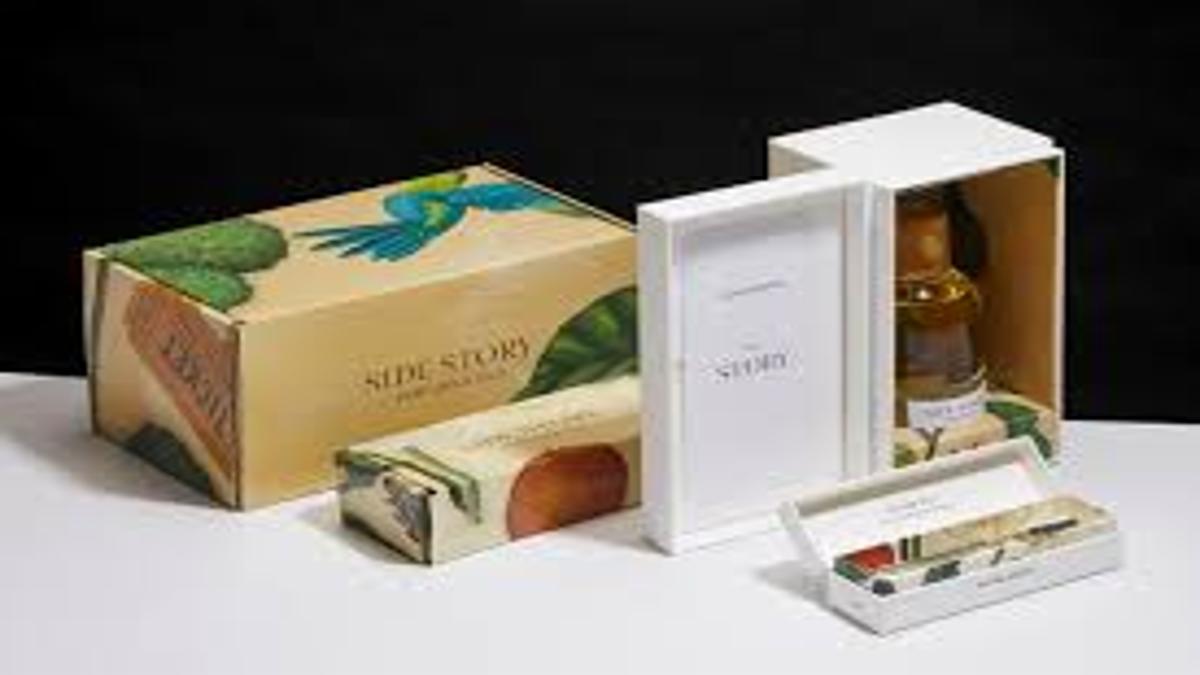
Breaking: Fragrances Packaging Market Sees Rapid Growth Amid Shifting Consumer Demand – Latest Updates
The Fragrances Packaging Market is experiencing significant growth, driven by consumer preferences for high-end products and sustainable packaging options.
The fragrance packaging market is projected to expand at a CAGR of 4.6%, increasing from US$ 3.52 billion in 2024 to reach US$ 5.83 billion by 2035.
The market is making major transitions in the form of advances in technology, new product offerings, brand expansions, and other corporate initiatives.
The following provides evidence of these developments in a chronological, factual outline that includes expert opinions, recent statistical data related to market size and expansion, and initial developments occurring in the business sector.
Event Timeline and Sequence of Developments
•Early 2024: Growth in consumer preferences for premium and sustainable fragrances initiates packaging development focused on recyclable and biodegradable materials.
•Mid 2024: Leading packaging companies offer smart packaging designs that include QR codes and NFC tags to improve consumer experiences and brand interaction.
•Late 2024: Increase in demand for on-the-go/travel size and refillable fragrance containers align with sustainability trends and regulatory pressures
•Early 2025: a coalition of major companies announcing capacity expansions and partnerships to manufacture compostable packaging products and decrease carbon footprint.
Expert Opinions from Industry Experts and Government Officials
•John Michaels, CEO Fragrance Packaging Innovators Inc.:
"Our investment in sustainable packaging solutions signifies the industry's movement to be green and eco-conscious consumer-focused... We believe the future of fragrance packaging is the marriage of theatre with environmental accountability."
•Linda Chen, Senior Analyst Market Insights Group:
"The fragrances packaging market is expected to grow at a CAGR greater than 6% in the next 5-year period driven predominantly by Millenials and Gen Z demand for sustainable luxury."
•Europe Packaging Council Environmental Policy Officer:
"European initiatives are opening the door to innovation in fragrance packaging with regulations such as the EU's Packaging and Packaging Waste Directive which prioritizes sustainably-made packaging and packaging rage that minimizes environmental impact.
Market Statistics: Size, Growth, and Regional Phenomena
•The global fragrances packaging market was valued at approximately $3.52 billion in 2024 and is forecasted to grow to $5.83 billion by 2035, at a CAGR estimate of 4.6%.
•Casualty and damage statistics are not applicable; however, the market will likely be affected by issues like supply chain shortages that impede raw material access.
•Regionally, Asia-Pacific is the largest growth region with North America and Europe plateaued, but all benefit from growing middle-class growth and demand of luxury personal care products.
Immediate Responses from the Industries and Action Steps
•The packaging sector is rapidly releasing biodegradable packaging lines and exploring options for refillable containers in response to eco-conscious customer segments.
•The industry supply chain is being diversified to eliminate the single-point sourcing risk on key raw materials due to uncertainty in global logistics.
•Fragrance brands are forming collaborations with packaging companies to accelerate the introduction of smart packaging technology to enhance digital access to consumers.
•Government and industry stakeholder activities are being ramped up to encourage standardized sustainability measurement systems to support market transformation.
Market Statistics (Similar to Casualties and Damage)
•Impact of Supply Chain Congestion: In 2024, the packaging industry of fragrances experienced shortages of key raw materials like glass and other specialized plastics that caused production delays in mainly manufacturing markets of China, India, and the United States.
•Financial Damage: Companies reported that supply chain congestion led to as much as an estimated 5-8% loss of revenue in Santa Clara, California, and New Jersey, during peak raw materials interruption months. This challenge impacted the industry’s ability to accommodate demand for sustainable packaging as consumer demand continued to escalate.
•Areas Affected: As an illustration of supply chain impact, . Asia-Pacific (i.e., Shenzhen, Shanghai) and North America (California and New Jersey) key markets where fragrance packaging is produced experienced late shipments causing temporary shortages in places generally being supplied by those packaging plants.
Prompt Industry Responses (Similar to Evacuations and Emergencies)
•Diversification of Suppliers: Packaging companies quickly diversified their sources of suppliers and began to utilize secondary sources of raw materials in order to lessen the potential threat of shortages.
•Inventory Policies: Increased levels of safety stock and regional warehousing were put in place to provide better relief from logistic shortages.
•Sustainability Efforts: Propelling the development and application of alternative materials and means reduced reliance on limited resources.
•Collaborations and Partnerships: Creating relationships with logistics companies aided in delivery timeliness and condition.
Recent Funding and Investment News
The fragrances packaging market is garnering significant capital investment in 2024 and early 2025. Venture capital and private equity groups are targeting sustainable packaging startups that facilitate biodegradable, refillable, and stylish packaging.
Major packaging companies have made headlines of future fresh capital investments of over $150 million globally for upgrading portion of their manufacturing lines using green materials. Governments in Europe and Asia are making public funds available for green packaging based on their environmental directives.
New Entrants and the Competitive Environment
New stock enterprises are disrupting the fragrances packaging sector, including plant-based plastics, alternative glass packaging, and digital packaging engagement.
While traditional packaging companies are seeing increased rivalry, these companies are offering a bespoke industry experience.
Relationships between fragrance brands and packaging innovators can be expected to revitalized and even invigorated due to more rapidly shifting go-to-market strategies.
Product Development and Innovation Trends
Innovation maintains its important role in the fragrances packaging segment:introducing new technologies and materials:
• Sustainable Materials: We are seeing a shift in the use of recycled plastics, bio-polymers, and glass alternatives, supported by regulation, standards, and targets and with little signs of abatement.
• Refillable and Reusable Designs: Several suppliers are introducing refillable fragrance bottles and reusable components to entice eco-seeking consumers.
• Smart Packaging: Packaging with QR codes, NFC tags, and AR experiences are providing advancements in traceability and engagement.
• Aesthetic Customization: Emerging techniques for newly surfaced finishes and graphics, including labels, represents the demands for the luxury market.
Policy Recommendations and Market Readiness It is recommended stakeholders:
• Establish Clear Environmental Standards: Harmonization of environmental packaging regulations around the world will lead to easier compliance and to improving opportunities for innovation.
• Funding for R&D: Grants or tax credits or other funding opportunities were needed to support innovation in developing green packaging technologies.
• Circular Economy Practices: The encouragement of the infrastructure for recycling and the development of refill programs is needed to support the recycling.
• Resilience Plan: The continued development of plans designing for resilience within supply chain to improve mechanisms to diversify raw materials along with regionalization of components at the same time to reduce risks in using both raw materials and logistics.
Dive Into Our In-Depth Market Analysis: https://nextgenintelligencestats.com/fragrances-packaging-market
Regional Development and Business Opportunities
• Asia-Pacific: Remains the fastest growing region due to an increase in middle-class consumers is a contributor to the booming cosmetic industries in China, India, Japan, and South Korea.
• North America: Growth underpinned by volume generated from the continuance of sustainable packaging solutions generated from innovators as hubs of eco-systems between California and New York.
• Europe: Leading in environmentally driven innovation from regulatory and legal approaches from several of the countries, specifically Germany, France, and many of the Nordic countries facilitating more sustainable packaging.
Visual Data Suggestions
• Heat Map: Identifying raw material sourcing regions and manufacturing sites affected by disruptions and the intensity of those disruptions.
• Infographic Timeline: Mapping key events of supply chain strain and key responses through timelines from 2023-2025.
Visual Overlays: Market Distribution and Trends
[Embedded Map]: This heat map from [insert map source] shows concentrations in fragrances packaging markets; key sources are shown located in particular regions of China, India, the US, and Germany.
[Infographic]: This infographic timeline highlights significant innovations and regulations initiated between 2023-2025 toward sustainable packaging.
Conclusion
The fragrances packaging market is evolving quickly and the overall business response based on consumer wants and needs for sustainability and innovation, along with various legislative frameworks across countries, will all likely shape the fragrances packaging landscape.
The continued developments in the market and response of the industry continue to leave an optimistic outlook as the marketplace evolves with changing global forces.
As a factual update, this effort is to provide relevant and timely updates on the marketplace for any stakeholders in the industry.
Discover Market Trends – Request a Complimentary Sample: https://nextgenintelligencestats.com/request-sample-report/69

Comments